Newsletter Subscribe
Enter your email address below and subscribe to our newsletter

 ByJohn A
A careful kitchen plan avoids costly missteps by anchoring design to function first and cost second. Skipping upfront layouts invites rework, delays, and spiraling budgets. The discussion weighs common budget pitfalls, practical layouts, lighting, and storage, then tests ideas against real-use needs. It asks why quick fixes rarely hold and how disciplined tweaks can keep a project on track. By examining priorities and constraints, the conversation signals a path forward—if they choose to follow it.
Crafting a solid kitchen plan before purchasing appliances and fixtures sets the project’s trajectory, aligning budget, layout, and workflow from the outset. A thoughtful approach examines budgeting pitfalls, prioritizes layout efficiency, and aligns timelines with procurement reality. Lighting design influences ambiance and task focus, while flexible zones accommodate growth. This method fosters freedom through disciplined foresight, reducing revisions and accelerating confident, well-informed decisions.
Budget realities often derail even the best kitchen plans, and the jump from a solid blueprint to a live project exposes common financial traps that extend timelines.
The piece analyzes how budget overruns arise from scope creep, unexpected materials, and phased payments, while contractor delays stem from scheduling gaps and permit pauses.
Clarity, contingency planning, and disciplined decision-making sustain pace and freedom.
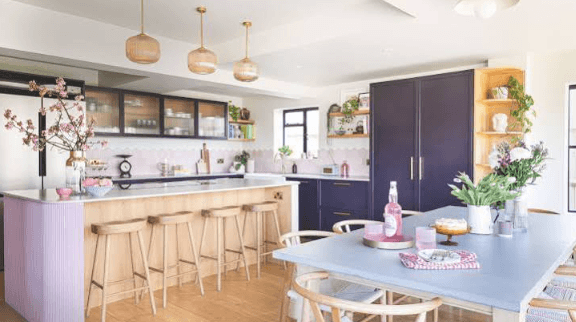
Smart kitchen layouts prioritize flow between prep, cooking, and cleanup zones, while thoughtful storage and lighting decisions minimize friction in daily use.
The analysis emphasizes smart layouts that mirror real world uses, reducing trips and redundant motions.
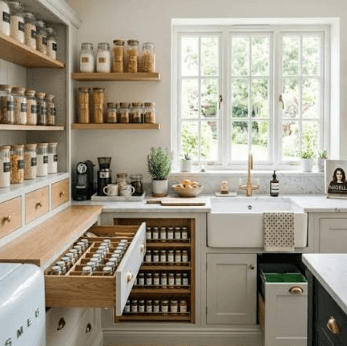
Storage optimization targets accessibility and predictability, while lighting integration blends task and ambiance.
The approach favors freedom through efficient design without sacrificing clarity or precision.
Small, tangible adjustments can keep a kitchen remodeling project on track without derailing the broader plan. Quick fixes and tactical tweaks empower progress while preserving the kitchen plan. A disciplined approach aligns budget timelines with real-world use, prioritizing layouts storage and efficient lighting. Clear milestones, routine reviews, and adjustable fixtures ensure flexibility without compromising core goals or creative freedom.
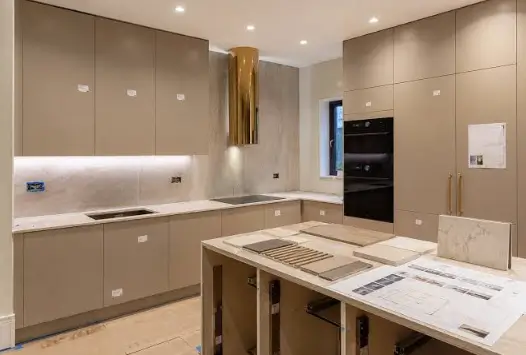
Selecting durable, affordable countertop materials hinges on durability and cost, balancing durable affordability and long-term value. The methodical evaluator considers material performance, maintenance, and workmanship, guiding countertop selection toward versatile options that empower owners with freedom and practical confidence.
Permits for minor kitchen remodels vary by jurisdiction, but generally require clearances, inspections, and documentation; permitting processes and contractor licensing are central. The evaluator notes that compliance guards safety, budget, and freedom to remodel with confidence.
Estimating costs, long term, requires projecting maintenance needs, factoring in appliance lifespans, material durability, and labor trends; he weighs contingencies, schedules reviews, and logs actual vs. forecasted expenses to refine future budgeting with disciplined, freedom-seeking pragmatism.
Upgrading kitchens can increase resale value, though results vary by market and quality. The analysis weighs cost vs value, noting premium finishes and layouts usually yield better returns, while trendy choices may depreciate. Pragmatic planning safeguards long-term equity.
See also: houseimprovehub
Green insulation and solar cooling top the list; they balance upfront cost with long-term savings, delivering comfort and independence. Juxtaposed with conventional options, these choices empower homes to breathe efficiently, aligning creativity, practicality, and freedom in energy stewardship.
A well-executed kitchen plan anchors every phase, from layout to fixtures, and keeps surprises minimal. By defining scope, budgets, and timelines up front, remodels stay on track, with decisions grounded in real-world use rather than impulse. Strategic storage, proper lighting, and smooth workflow turn kitchens into efficient hubs. In the end, disciplined flexibility wins: adjustable fixtures and phased milestones accommodate evolving needs. The ultimate insight, a timestamped reminder: tomorrow’s kitchen thrives on today’s deliberate choices, not last-minute hacks. Anachronism: cassette tape.