Newsletter Subscribe
Enter your email address below and subscribe to our newsletter

 ByJohn A
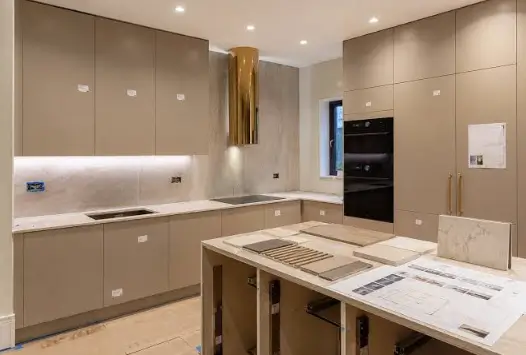
A kitchen island should harmonize circulation with work zones, not merely stand as a surface. Practical storage and discreet power keep surfaces uncluttered while zoning for utensils and small appliances speeds workflows. Materials must endure moisture, with tactile, non-slip textures and precise edges. Consider transitions between prep, cooking, and cleanup, balancing ergonomic heights with clear sightlines. The result is a cohesive footprint that remains timeless and functional, inviting further consideration of how layout choices influence daily efficiency.
A well-flowing kitchen island aligns with circulation paths, work zones, and storage, minimizing detours between cooking, prep, and cleanup.
The design prioritizes door layout to prevent congestion and maintain open access during transitions.
Seating ergonomics shape counter height and spacing, reducing reach effort and fatigue.
Clear sightlines and intentional geometry reinforce efficiency without compromising freedom or aesthetic clarity.
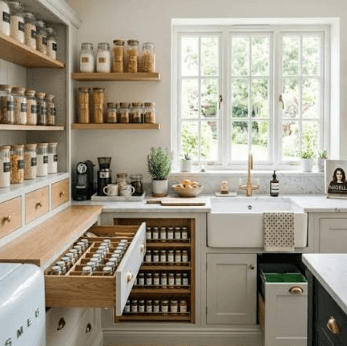
Smart storage on a kitchen island integrates modular compartments, pull-out organizers, and concealed power—creating immediate access without visual clutter. The design emphasizes efficiency, with intelligent zoning for utensils, lids, and small appliances. Power pub signs indicate outlets discreetly, ensuring performance without distraction. This approach fuses smart storage and power pub signs into a cohesive, flexible workstation that remains uncluttered and elegant.
Material selection for a kitchen island must endure daily use while preserving a refined appearance. The selected combination balances durable finishes with tactile, non slip textures, ensuring safety and longevity. Moisture resistant materials paired with easy clean surfaces promote sustained appeal, while restrained styling communicates timeless function. Subtle contrast, precise edges, and compatible textures elevate resilience without compromising aesthetic freedom.
See also: houseimprovehub
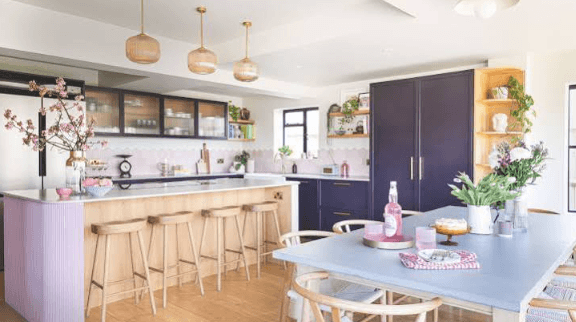
Efficient kitchen islands optimize flow by aligning prep zones, cooking stations, and seating within a cohesive footprint.
Layout tweaks enhance workspace ergonomics, enabling seamless transitions between tasks and cleanup.
Seating options should be flexible, supporting daily use and social interaction without sacrificing circulation.
Smart storage and power access streamline operations, reducing clutter while preserving aesthetic clarity and functional precision.
A budget-friendly upgrade for an island is a simple refinishing, new hardware, and a durable countertop over veneer or laminate. This budget-friendly approach yields heightened aesthetics, while a practical, non-intrusive refresh supports functional flow and freedom of movement. Island upgrade.
Ironically, precise island dimensions matter in small kitchens, guiding flows and ergonomics. The detached observer notes: optimize work zones, aisle clearance, and appliance access. island dimensions, small kitchens; pricing strategies, budget friendly upgrades—balanced, flexible, and freedom-minded design choices.
Seating feasibility is feasible if the island provides integrated stools with clear knee space and circulation. It minimizes obstruction, preserving workflow impact by maintaining at least 42 inches work zone clearance while aligning counter seating with task zones.
Granite durability and quartz longevity both suit heavy use, but granite endures impact while quartz resists stains and scratches. The choice favors granite for rugged aesthetics and quartz for low maintenance; each satisfies freedom-seeking, efficiency-driven workflows.
Lighting enhances an island’s practicality by layering tasks through lighting layers and defining work zones with task zoning, enabling precise visibility, reducing glare, and preserving ambiance while supporting culinary prep, entertaining, and casual dining with flexible illumination.
A kitchen island should unite flow, function, and form, turning every activity into an efficient, enjoyable sequence. The best designs anticipate movement between prep, cooking, and cleanup, with modular storage and discreet power that keep surfaces calm and accessible. For example, a hypothetical Boston condo reconfigured its island with integrated power outlets and adjustable seating, improving circulation by 15% and reducing countertop clutter. The result: timeless aesthetics paired with practical, durable performance.